Transparency is the Currency of Trust:
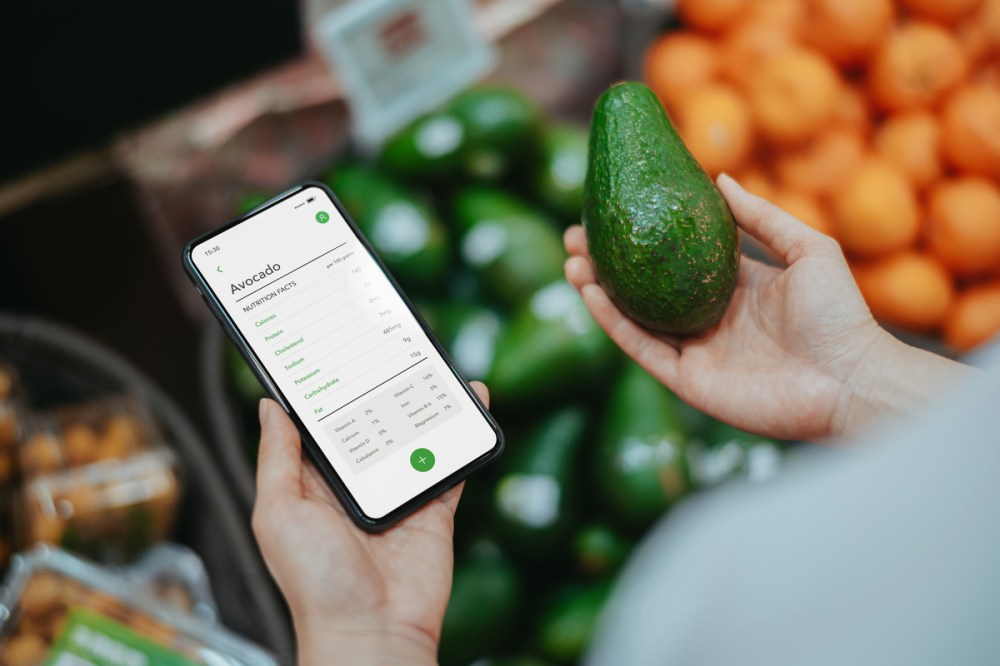
As shoppers step up their scrutiny of product attributes, transparency has emerged as the currency of trust in the food industry. Brands that embrace information sharing with their customers are winning the trust game, per the Transparency Trends report. Loyalty follows suit, as shoppers appreciate easy-to-understand information and build lasting connections with brands that keep them in the loop.
More details were also found to be a strong motivator for shoppers, whose trust, loyalty, and purchase behavior are more favorably influenced for brands they deem to be best with sharing information—a sentiment that has picked up steam over the past 2 years.
“As shoppers told us, they reward brands that provide information with their trust and loyalty, even suggesting that the more transparent a brand, the more likely they could be persuaded to switch.”
Steve Markenson, VP of Research and Insights, FMI
Navigating the Shopping Frontier
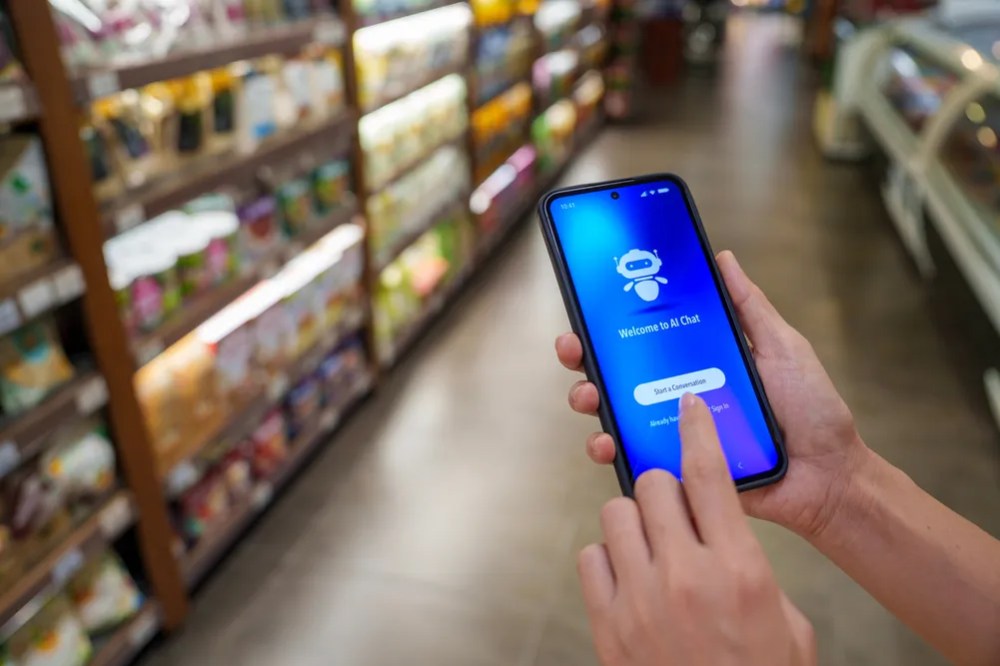
In a strong sign of omnichannel adoption, more than 80% of consumers polled in the Transparency Trends report said they are somewhat or very likely to use a QR code, website, app, or other tool to seek more product details, regardless of whether they are shopping in-store or online.
The report also touched on the changing dynamics between in-store and online shopping, including the finding that shoppers tend to use in-store more for discovery and online more for repurchasing items. Shoppers also view online shopping easier than in-store for certain needs, such as finding information about product sourcing and manufacturing and seeking/avoiding items and ingredients for specific diets.
While the search bar reigns supreme as the most common approach taken by online shoppers when seeking products and information, the role of generative artificial intelligence is poised to further revolutionize the digital shopping experience. Indeed, Walmart, Amazon and Target are investing heavily to capitalize on generative AI to enhance the online shopping experience for mission-based searches, including for product pages and search capabilities that curate the most relevant results for shoppers on its website. Further, both Walmart and Target are boasting great success with their new GenAI platforms for frontline teams to better serve in-store customers in real time.
Deliberate Decisions
Today’s more intentional shoppers are purposeful, better informed and looking for the right products to suit their specific needs and wants—and they’re willing to pay for it. Recent NIQ data finds some 200 million shoppers adhering to a diet or health related program, fueling a projected $400 billion in total health and wellness sales by 2030 and underscoring that intentional consumers do not necessarily spend less but instead are much more deliberate about how and where they spend.
With more consumers now prioritizing health claims, health benefits, and specific ingredients over brand choice, manufacturers and retailers would be wise to consider opportunities to promote the health and wellness attributes of existing product lines, as well prioritizing product attribution details for easy product discovery and differentiation.
“We are witnessing an era of profound transformation in how people engage with brands and approach their purchasing decisions,” said Sofia Hernandez, global head of business marketing for TikTok, when discussing topline insights from the social media app’s What's Next 2024 Shopping Trend Report. “The shift from consumption of fleeting viral trends to more deliberate and informed buying choices is reshaping the landscape,” which she said is spurring shoppers to seek “genuine brand relationships over superficial interactions.”
The Advent of 2-D Barcodes
Another important way transparency—and consumer expectations—will transform in the coming years is the rollout of two-dimensional (2D) QR barcodes, which can hold far more data in a single scan than one-dimensional (1D or linear) barcodes. While the present 1D barcode captures a limited series of digits, a 2D barcode can capture upwards of 7,000+ characters for a high amount of product information within the barcode itself.
Roy Woodhouse, N.A. commercial lead for NIQ Brandbank, says the advent of 2D barcodes, “are far more powerful and flexible than 1D and offer multiple benefits that extend all the way to the consumer,” to help them understand product composition, sustainability efforts, recalls, among others, while helping retailers with inventory control, traceability, on-demand discounting, couponing and more.
“As technology and consumer expectations for more information about products evolve, the demand for enhanced product information goes beyond the traditional role of UPC barcodes.”
Melanie Nuce-Hilton, SVP at GS1 US.
Brands globally are beginning their transition from UPCs to new 2D barcodes and retailers have set a target date to accept them at checkout by 2027 – a GS1 US initiative labeled Sunrise 2027.
The Food as Medicine Movement
The increasing focus on food as medicine to sustain health, prevent disease, and heal bodies with dietary changes provides another window into how transparency will continue to evolve. With a direct scientific connection, food as medicine (also referred to as food for health) employs decades of research based on the inclusion of specific foods (such as vegetables, fruit, beans, nuts, seeds, whole grains and plant-based oils) to many health benefits (improved blood pressure, heart health, gut function, mood, sleep, and more).
The movement also urges consumers to subtract certain foods and ingredients from their diets, such as sugars, added sugars, sodium, hormones, and carbohydrates, artificial ingredients, and preservatives.
Interestingly, “ingredients” was found to be the biggest response for what shoppers want to see on the front of pack, according to the NIQ/FMI Transparency Trends report. A few shoppers specified what they are looking for, such as one who requested brands to “explain the ingredients list,” while another wanted to know “what are the ingredients that I can’t pronounce.” Shoppers also described in more detail what else they would like to see on front of pack, such as "More of the stuff that matters: No GMOs, pasture raised, 100% organic, no hormones, antibiotics."
While consumers with specific health ailments often pay more attention to labels and specific attributes, nearly 60% of consumers surveyed for the transparency study said they would find a “healthy” claim on food labels very or extremely valuable. Although foods must meet specific nutrient-related criteria to use the “healthy” nutrient claim, the Food & Drug Administration has begun a public process to update the "healthy" claim for food labeling to be consistent with current nutrition science and federal dietary guidance.